The Box Nobody Wants to Throw Away: Rethinking Eco-Friendly Packaging
Imagine receiving a beautifully presented product in packaging that feels just as considered as the item inside. The box is sturdy, the materials feel natural, and every detail has a purpose. Instead of immediately putting it in the recycling bin, you wonder whether it could be reused.
That small moment can influence how someone remembers a brand. Packaging is more than a protective layer around a product; it shapes the customer experience, communicates brand values and influences what happens after a purchase.
For businesses exploring Eco-friendly packaging , the opportunity is to rethink the entire journey, from the materials selected to the way a package is opened, stored, reused or disposed of. At Rooland, this thinking brings together brand identity, thoughtful design and material choices to create packaging that works for both the product and its audience.
What If the Best Packaging Decision Happened Before Design Began?
It is tempting to begin with colours, typography and the shape of a box. However, effective packaging starts with more practical questions.
What does the product need for protection? How far will it travel? Will it encounter moisture? Can the packaging components be separated for disposal? Is it easy to open, store and handle?
Answering these questions early helps prevent an attractive design from becoming impractical once production begins.
For example, a small skincare business might choose an oversized box because it offers more room for branding. Yet a correctly sized package could reduce unnecessary material, improve storage efficiency and create a more considered unboxing experience.
The aim is not simply to make packaging look sustainable. It is to make informed decisions about its purpose, construction and end-of-life options.
Choosing Materials That Serve a Purpose
There is no single material that suits every product. Recycled paper may work well for one application, while a moulded fibre insert or carefully selected label material may be more appropriate for another.
Rooland’s approach to Eco-friendly packaging considers options such as recycled materials, FSC-certified paper, soy-based inks and compostable alternatives as part of the wider design process.
| Material or approach | Potential application | What businesses should consider |
| Recycled paper and board | Product boxes, sleeves and printed inserts | Check strength, print requirements and recycled content. |
| FSC-certified paper | Printed packaging and labels | Confirm the relevant certification and supplier documentation. |
| Soy-based inks | Selected printed packaging applications | Check compatibility with the material, finish and production process. |
| Bagasse moulded fibre | Protective inserts, trays and suitable containers | Assess product protection, moisture resistance and local disposal options. |
| Plant-derived PLA fibre | Certain packaging applications | Verify the material specification and required disposal conditions. |
| Compostable pouches or labels | Selected products and packaging formats | Confirm whether home or industrial composting is required and whether suitable facilities are available. |
These options are not interchangeable, and none automatically makes an entire package environmentally preferable. Material performance, manufacturing requirements, transport, product protection and disposal routes all matter.
For instance, a compostable component may not break down effectively in a home compost heap if it requires industrial composting conditions. Similarly, a recyclable package may not be accepted by every local recycling collection service.
Good design considers the complete picture rather than relying on a single sustainability label.
When an Agricultural By-Product Becomes Part of the Design
One interesting material featured in Rooland’s packaging resources is bagasse, the fibrous residue left after sugarcane juice is extracted. This agricultural by-product can be processed into moulded fibre products, including certain trays and protective packaging components.
Its appeal lies in finding another use for a material generated during sugar production. Depending on the product and manufacturing process, moulded fibre can also provide an alternative to some conventional packaging formats.
Rooland’s packaging brochure highlights nestable bagasse designs that can reduce storage space by up to 70% in the specified application. This figure relates to the designs described in the brochure and should not be assumed to apply to every bagasse product.
For businesses, the practical lesson is to look beyond the material itself. Could packaging components nest together efficiently? Could a redesigned insert protect the product while taking up less space? Could a simpler structure make storage and handling easier?
Sometimes, a better packaging decision begins with a question about how the product moves through the supply chain.
What REBOOT+ Shows About Packaging and Brand Identity
Sustainable packaging also needs to communicate the right message to the right audience.
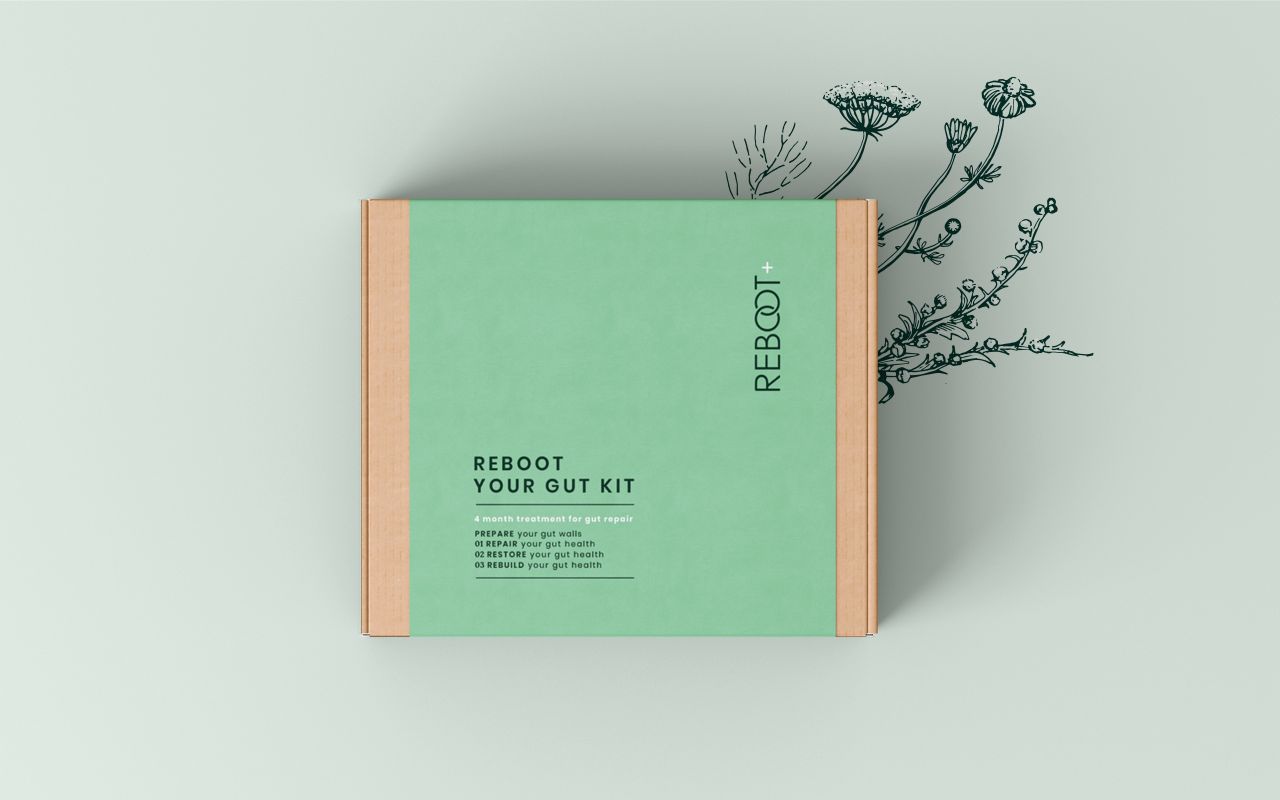
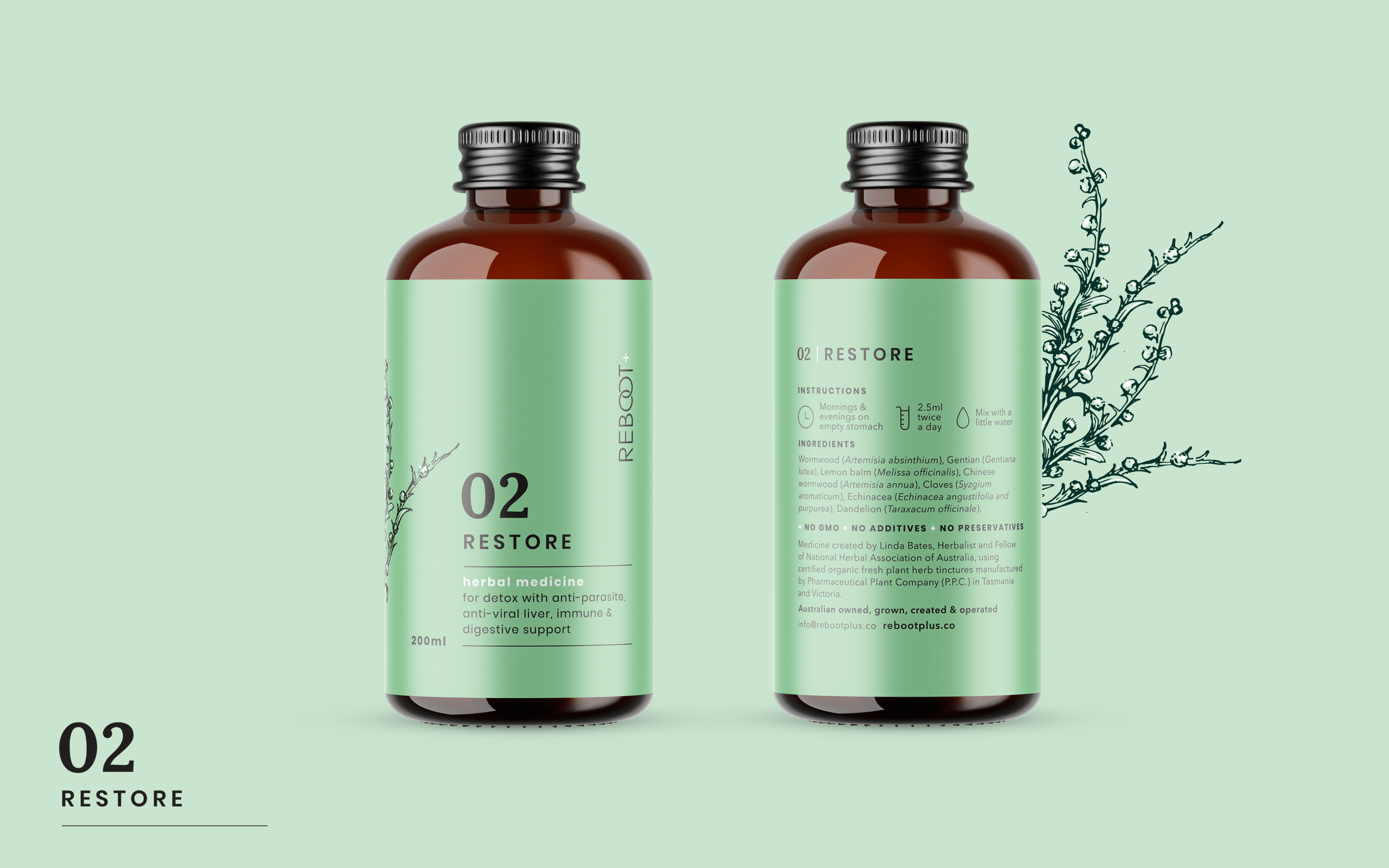
Rooland’s REBOOT+ packaging design project provides a useful example. Developed for a herbal tincture and gut-health remedy range, the project needed to position the products between several familiar categories: medicine, health supplements and naturopathic remedies. It also aimed to appeal to a younger audience.
The resulting creative direction combined modern and classic influences with a clean, earthy and natural visual language. Rooland worked across branding, illustration, packaging and eco-design to help give the product range a coherent identity.
The project demonstrates an important principle: packaging must do more than contain a product. It needs to communicate what the product is, who it is for and how the brand wants to be perceived.
Although the case study does not specify the exact materials used or quantify environmental savings, it illustrates how packaging design and brand positioning can work together without relying on exaggerated environmental claims.
Designing for the Life of the Package, Not Just the Shelf
Thoughtful packaging considers what happens after the customer has opened it. A design that looks impressive on a shelf should also perform well during storage, transport and everyday use.
Businesses can consider several practical steps:
- Right-sizing: Choose dimensions suited to the product rather than adding unnecessary space.
- Material compatibility: Consider whether different components can be separated for disposal or recycling.
- Clear communication: Provide accurate disposal instructions where appropriate.
- Protective performance: Ensure the package protects the product during handling and transport.
- Supplier coordination: Confirm material specifications, print requirements and production limitations before committing to a design.
- Prototyping and testing: Check how the packaging fits, opens, stacks and performs in real conditions.
These considerations are particularly important for food and drink, health and beauty, gifts, apparel and other products where packaging plays a significant role in presentation and protection.
Rooland’s packaging process encompasses briefing, concept development, material and format exploration, design refinement, production-ready artwork and supplier coordination. This connects the creative concept with the practical requirements of preparing a product for market.
Rooland’s Philosophy: Design with a Conscience
For Rooland, eco-conscious design goes beyond choosing alternative packaging materials. It begins with a mindset that considers how design decisions affect products, businesses and the environment. Led by founder Suzanne Haddon, Rooland brings sustainability into its creative thinking, balancing visual appeal with practical choices that support more responsible packaging.
This philosophy can be seen in the way packaging is approached from the earliest stages of a project. Rather than focusing solely on appearance, the process considers material selection, product protection, print requirements, storage and what happens to the packaging after use. Options such as recycled materials, FSC-certified paper, soy-based inks and suitable biodegradable alternatives can be explored according to the needs of each product.
The same principle extends to everyday working practices. Rooland highlights actions such as reusing items, reducing single-use plastics and making more considered choices about resources. While no single decision solves every environmental challenge, a series of thoughtful choices can help businesses move towards packaging that better reflects their values.
Ultimately, design with a conscience means creating packaging that looks right, works well and makes sense beyond the moment it reaches the customer. For brands, this is an opportunity to build a recognisable identity while making informed decisions about the materials and methods used to bring their products to market.
Frequently Asked Questions
What makes packaging eco-friendly?
Packaging may be considered more environmentally responsible when it uses appropriate materials, avoids unnecessary components, protects the product efficiently and has a realistic reuse, recycling or composting route. The best choice depends on the product and local disposal facilities.
Is recyclable packaging always the most sustainable option?
Not necessarily. Recyclability is important, but material production, transport, product protection, local collection systems and the ability to separate different components also affect the overall outcome.
What materials can businesses explore for sustainable packaging?
Options include recycled paper and board, FSC-certified paper, selected bio-based inks, moulded bagasse fibre and certain compostable materials. Each option should be checked for suitability, certification, performance and disposal requirements.
How can packaging design support a brand’s identity?
Packaging communicates a brand through its structure, colours, typography, illustrations and materials. A consistent approach can help customers recognise the brand and understand its positioning while keeping practical product requirements in view.
Ready to Rethink Your Product Packaging?
The right packaging can protect a product, create a memorable customer experience and express what a brand stands for. The starting point is to ask better questions about materials, design, performance and what happens when the package has served its purpose.
Explore how Rooland can bring these considerations together through thoughtful branding and packaging design. Get in touch with Rooland to discuss your next packaging project.