From Material Choice to Visual Impact: Building Better Product Packaging
Product packaging does more than protect what is inside. It shapes first impressions, communicates brand values, and influences how customers recognise a product among competing options. From the texture of the material to the smallest illustration, every design decision contributes to the overall experience.
For businesses launching new products or refreshing an existing range, a thoughtful Packaging Design Service can bring material selection, brand identity, and visual creativity together. The goal is to create packaging that looks distinctive, works for the product, and gives customers a reason to remember the brand.
The Material Makes the Difference
Before choosing colours, typography, or graphics, consider how the packaging material supports the product and the brand. Material selection affects durability, presentation, printing possibilities, and how customers perceive quality.
A premium product may benefit from a refined finish, while a brand focused on natural ingredients may prefer a simpler, understated appearance. The material must also suit practical requirements, including product protection, storage, transport, and handling.
An effective Packaging Design Service considers these factors alongside the creative concept. A design that looks impressive on screen may need adjustments to work with a particular surface, printing method, or packaging format. Thinking about these details early helps businesses create packaging that balances visual appeal with practical needs.
The strongest results come when material and design support the same message. A natural-looking finish, for example, can complement a brand built around simplicity, while carefully selected colours and typography can help communicate a more premium identity.
When Sustainability Gets Noticed
Sustainable packaging can make a stronger impression when its material choices and visual identity tell a consistent story. Using a more environmentally conscious material is one consideration; the design must also help customers recognise the product and understand its personality.
Biolac demonstrates how packaging can combine compostable pouches with engaging visual design. Its packaging features custom animal illustrations and nine distinct product designs, helping differentiate individual products while maintaining a recognisable family appearance.
The illustrations give each design its own character, while the coordinated approach connects the products as part of the same range. This balance is particularly valuable for businesses with multiple products that need to stand apart without losing their shared identity.
For brands exploring sustainable options, the lesson is to treat material and graphics as connected decisions. The packaging material contributes to the product’s physical presentation, while the artwork communicates its personality. When both elements support the same message, sustainability becomes part of the overall brand experience.
One Identity, Many Expressions
A product range may include different formats, ingredients, or uses, but customers should still be able to recognise the brand behind them. This requires a visual system that creates consistency without making every package look identical.
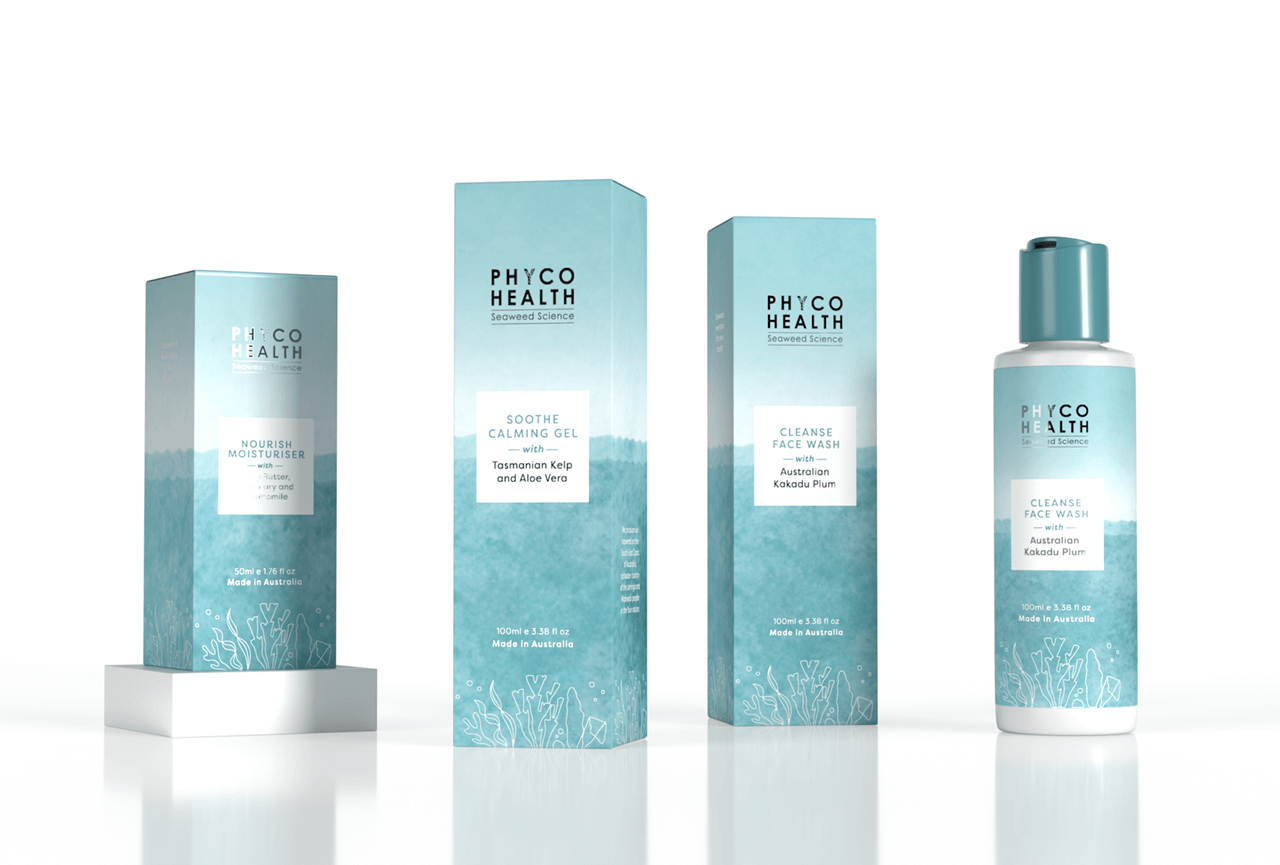
PhycoHealth illustrates this approach across seaweed-related products in food, supplements, and skincare. Its packaging uses ocean-inspired colours, custom seaweed illustrations, watercolour textures, and flowing typography to create a visual identity connected to the products’ natural origins.
Although the products belong to different categories, recurring design elements help tie them together. The result is a recognisable identity that can adapt to different packaging needs while retaining its overall character.
A strategic Packaging Design Service helps businesses establish this kind of visual consistency. Shared colours, typography, illustration styles, and layout principles can connect an entire product range, while individual design elements highlight the features of each product.
This approach also makes future expansion easier. When new products are introduced, they can follow an established visual direction instead of requiring an entirely new identity.
Packaging with a Sense of Place
Packaging can communicate a brand’s personality through visual details that feel personal and meaningful. Rather than relying only on a logo or product description, thoughtful illustrations and material choices can create a stronger connection between the product and its story.
Daily Grind’s coffee packaging takes this approach through an earthy, natural-cardboard aesthetic, clean typography, and a custom illustration inspired by Werri Beach, NSW. Together, these elements create a distinctive visual direction that feels grounded in place and suited to the character of the brand.
The natural-looking material supports the overall aesthetic, while the illustration adds a recognisable detail customers can associate with the product. Clean typography keeps the design readable without competing with the artwork.
This demonstrates how packaging can communicate more than what a product contains. A carefully chosen visual reference can suggest a brand’s origins, inspiration, or personality. When these details feel authentic, packaging becomes a memorable part of the customer experience.
For businesses looking to build a stronger identity, the right Packaging Design Service can translate these ideas into a cohesive design that connects the product, its story, and its intended audience.
Built to Look Good. Made to Work.
Strong packaging design needs to perform beyond the initial visual impression. Customers should be able to identify the product, understand essential information, and use the packaging as intended. Businesses must also consider production requirements, consistency across product variations, and how the design will appear in retail environments or online listings.
Before finalising a design, consider these key questions:
- Who is the product for? Understand the audience and the expectations they bring to the category.
- What should customers notice first? Establish a clear visual hierarchy for the brand, product name, and essential information.
- Which material suits the product? Balance appearance with protection, handling, and production requirements.
- How will the range stay consistent? Create recognisable design elements that can adapt across different products.
- Will the design work in practice? Consider readability, packaging dimensions, printing limitations, and the finished presentation.
These decisions are easier to manage when brand strategy, material selection, and visual design are considered together rather than treated as separate stages.
At Rooland, packaging design connects creative direction with the specific needs of each business. CEO Suzanne understands the importance of creating design work that reflects a brand’s identity while giving individual products a clear and distinctive presence.

Product Packaging: Your Questions Answered
1.Why is material selection important in product packaging?
Material affects product protection, durability, appearance, printing options, and how customers perceive the product. The right choice helps align practical requirements with the brand’s visual identity.
2.How can sustainable packaging stand out?
Suitable materials, distinctive illustrations, considered typography, and a consistent brand identity can make sustainable packaging more recognisable without relying on visual clutter.
3.How can a business maintain consistency across a product range?
Shared elements such as typography, colour principles, illustration styles, and layout rules create a recognisable identity while allowing individual products to communicate their own features.
4.What makes packaging design effective?
Effective packaging protects and presents the product, communicates essential information clearly, reflects the brand, and creates a memorable impression for the intended audience.
5.When should a business invest in professional packaging design?
Professional design can be valuable when launching a new product, expanding an existing range, repositioning a brand, or improving packaging that no longer reflects the product’s value or audience.
Make Your Product Stand Out
Every packaging decision contributes to how customers experience a product, from the material they see and feel to the graphics that catch their attention. The strongest results come from balancing practicality, brand identity, and creative expression.
Whether you are preparing a new launch or refreshing an established product range, Rooland can help bring these elements together through considered packaging design. Explore the Packaging Design Service at Rooland to create packaging that reflects your brand, communicates your product’s value, and leaves a lasting impression.