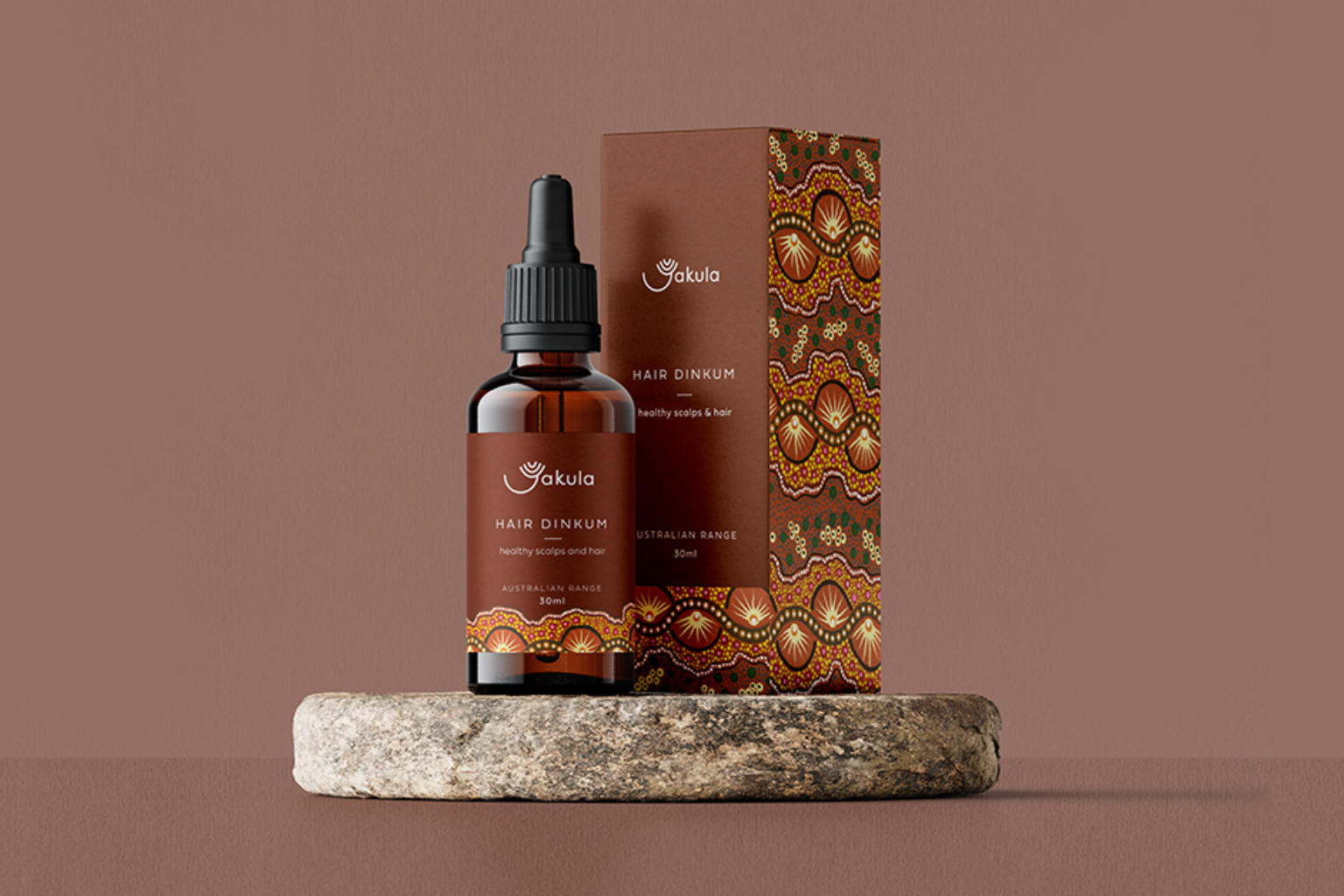
Product Packaging Design: Small Details, Big Impact
Product packaging design shapes how customers feel about your brand before they ever try what’s inside. Thoughtful choices around form, function, shape, and material build trust, reinforce your identity, and turn an ordinary unboxing into something memorable. Rooland, a boutique sustainable packaging and branding studio in Wollongong, proves that beautiful design and genuine environmental responsibility can flourish together.
A customer decides how they feel about your product in seconds. Long before they read a label, scan an ingredient list, or lift the lid, their mind has already registered the shape of the box, the texture of the material, and the weight in their hands. Those aren’t incidental details. They’re the opening line of a story your brand tells and they set the tone for everything that follows.
Here’s what this post covers, so you can put it to work straight away:
- Why tiny packaging decisions carry outsized influence on brand perception
- The four pillars behind packaging that genuinely performs
- How to weave sustainability into the design from day one, not bolt it on at the end
- What our partnership with Ben & Ellie Baby reveals about balancing beauty and responsibility
Let’s open the box.
Why Do Small Packaging Details Have Such a Big Impact?
Packaging is often the first physical touchpoint a customer has with your brand. And that first impression does heavy lifting: a 2021 Ipsos study found that 72% of consumers say packaging design influences their purchasing decisions a figure that climbs even higher for first-time buyers with no prior loyalty to lean on.
The details tell the story. A satisfying magnetic closure, a subtly embossed logo, a colour palette that feels intentional rather than generic each one whispers the same message to your customer: this brand cares about craft. That perception matters just as much for a $12 skincare serum as it does for a $200 gadget.
Customers are perceptive. They notice when a box feels flimsy, when a label sits slightly off-centre, or when the packaging doesn’t quite match the promises made in the marketing. The reverse is just as powerful. When every element feels considered, people extend more trust to the product itself before they’ve even used it.
The takeaway: Small details aren’t decoration. They’re evidence of quality, and customers read them fluently.
Product Packaging Design Is Part of Your Brand Identity
A logo alone doesn’t create a complete visual identity. Your brand lives across your website, your social media, your marketing materials, your product, and crucially your packaging. When those touchpoints share one confident visual language, customers recognise and remember you far more readily.
This is why packaging should never be treated as an afterthought bolted on once the branding is “finished.” At Rooland, we approach packaging as a living extension of a brand’s identity. So the guiding question shifts from “Does this packaging look good?” to something far more useful:
“Does this packaging look and feel like our brand?”
That single change reshapes the entire process. A wellness brand built on calm and simplicity should feel restrained and tactile in the hand. A bold food brand fighting for attention on a crowded shelf might lean into vibrant colour and playful illustration. Neither is more “correct” what matters is alignment between the product, your values, and the physical thing a customer holds.
That’s exactly why our work begins with brand identity long before packaging concepts are sketched. Understanding your personality, audience, and positioning gives our team the strategic foundation to make choices that feel authentic rather than arbitrary.
The takeaway: Consistency across every touchpoint is what turns recognition into loyalty. Packaging is where your identity becomes something people can hold.
The Four Pillars Behind Effective Packaging Design
Great packaging rests on four interconnected pillars: form, function, shape, and material. Each plays a distinct role, and neglecting one quietly undermines the others.
1. Form
Form is the overall aesthetic language colour, typography, imagery, and finish. It’s what customers see first, and often what gets photographed and shared. Strong form communicates your brand personality instantly and holds that consistency across an entire product range. Get form right, and your packaging works as free marketing every time someone posts an unboxing.
2. Function
Function is how the packaging performs in the real world. Does it protect the product in transit? Is it easy to open, reseal, or dispense from? Good function is invisible; poor function is glaringly obvious. A beautiful box that’s frustrating to open undoes much of its own visual work and sours the very first interaction you were trying to elevate.
3. Shape
Shape shapes recognition. Distinctive proportions and silhouettes help a product stand apart on a crowded shelf, while an awkward form creates friction for retailers and customers alike. The best shape decisions are tested against real-world handling and stacking not just how they look in a render.
4. Material
Material is where functional and emotional decisions meet. A rigid, glossy finish can signal luxury; a matte, recycled-fibre stock can signal environmental conscience. Material is also where sustainability becomes tangible and where many brands face their toughest trade-offs. Which brings us neatly to the point that so often gets left too late.
The takeaway: Balance all four pillars. A weakness in any one is a weakness customers will feel.
Build Sustainability In From the Start — Not the End
One of the most common mistakes we see is treating sustainability as a finishing touch, chosen after the design is locked. In reality, the most compelling eco-friendly packaging is decided at the very beginning, when material and structure can shape the creative direction rather than compromise it.
Depending on your product and production requirements, there’s a rich palette to explore:
- Biodegradable and compostable materials for a genuinely low-impact end of life
- Recycled substrates and FSC-certified paperboard that carry credibility and quality
- Soy-based inks and plant-derived finishes that reduce impact without dulling the design
- Reduced and efficient structures that cut waste and often trim shipping costs
But an eco-friendly material is only one piece of the puzzle. Your typography, colour palette, graphics, structure, and messaging all still need to work together as one cohesive identity. Sustainable packaging should never feel like a compromise it should still look, unmistakably, like you.
For sustainability-minded consumer brands, this is where responsibility becomes a competitive advantage. When your values are visible the moment a customer picks up the product, you’re not just reducing impact you’re building trust and inviting repeat business.
The takeaway: Fold sustainability into the brief from day one, and it becomes a design strength rather than a late-stage constraint.
Balancing Customer Experience and Sustainability: The Ben & Ellie Baby Story
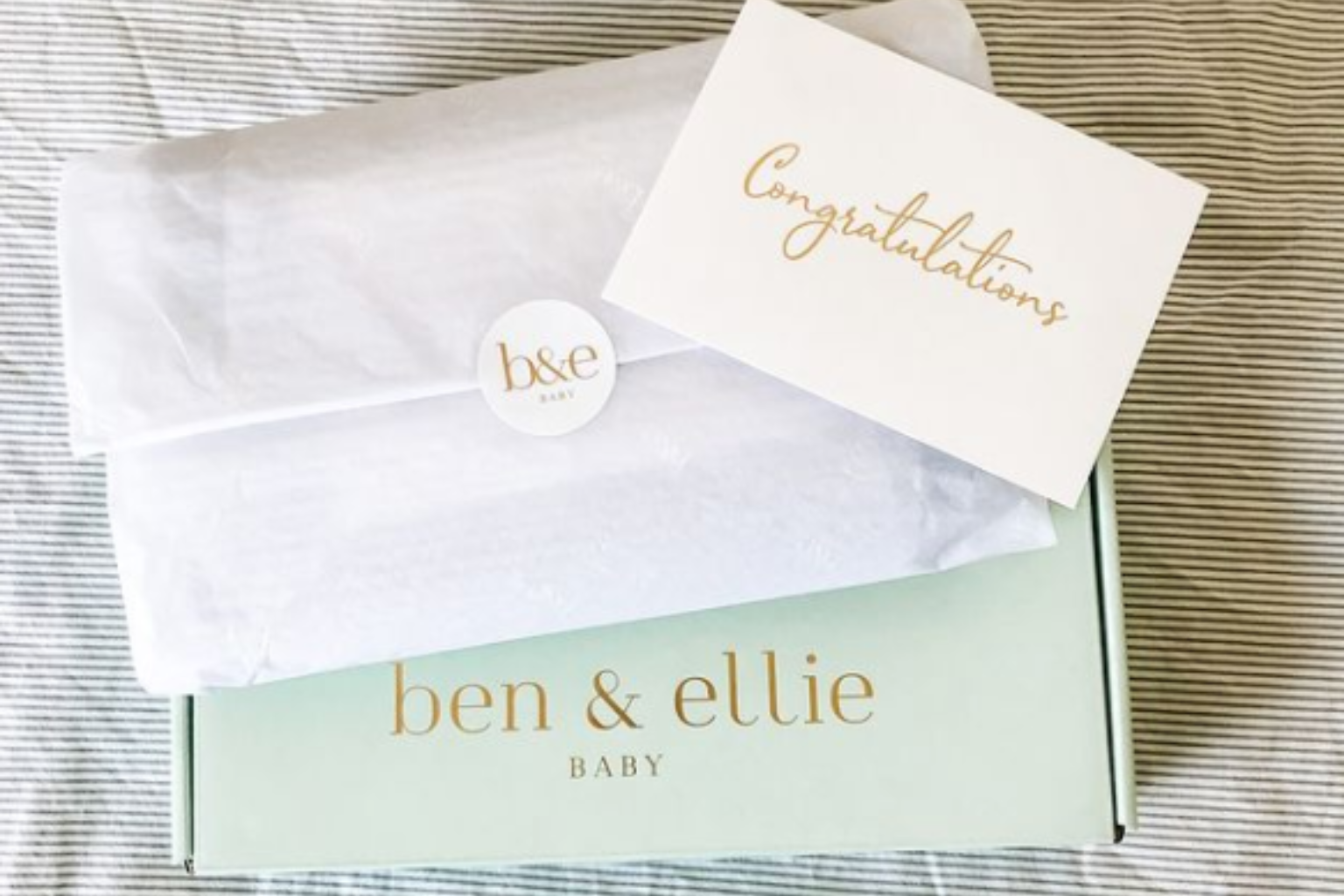
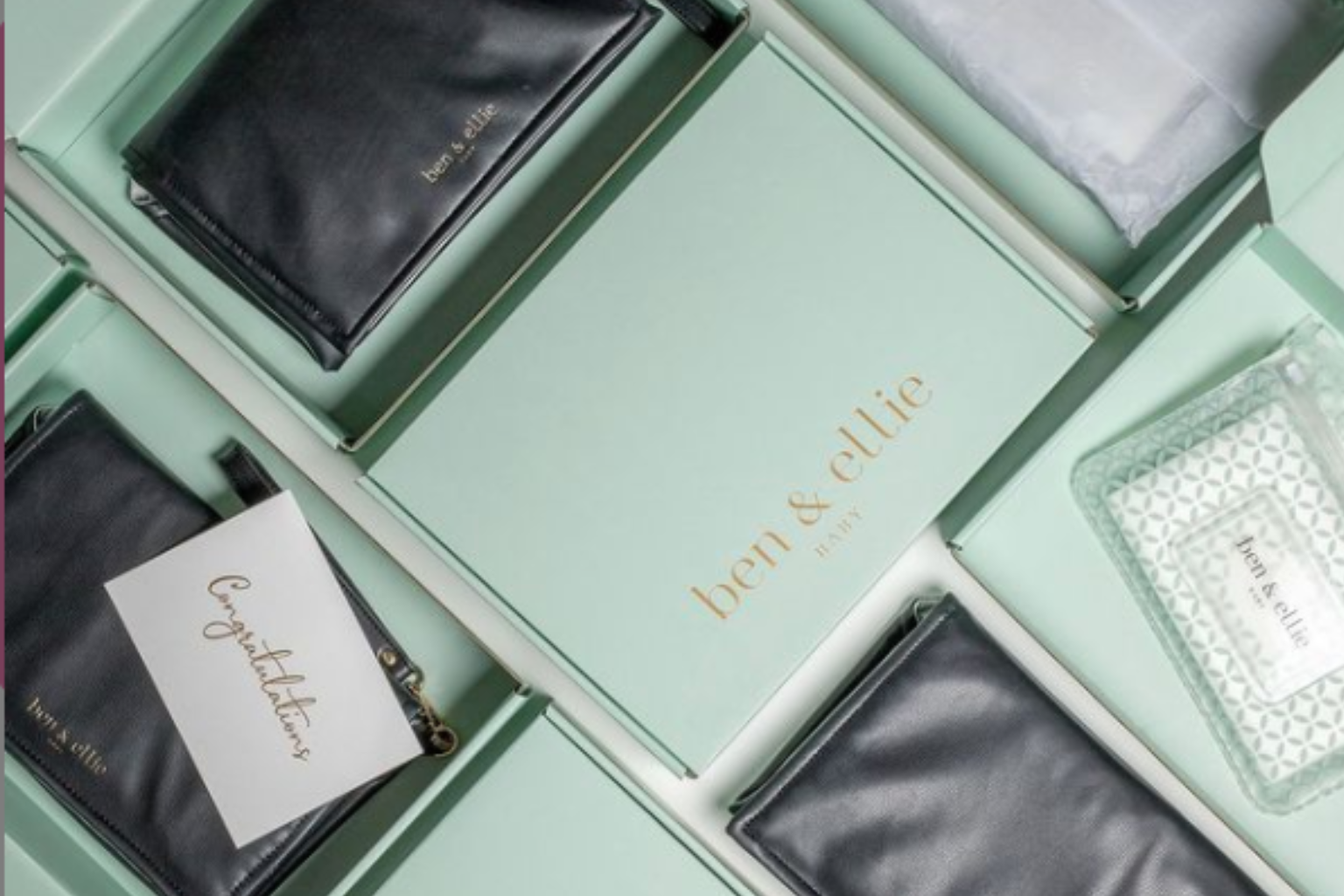
Few projects capture this balance better than our work with Ben & Ellie Baby, founded by Jessica DeAngelis and Julie Markovska. As a startup entering the competitive baby products market, they faced a challenge many growing businesses know well: how do you create a delightful customer experience while taking environmental impact seriously without sacrificing one for the other?
Rather than treating these as competing priorities, our team developed a packaging direction that honours both. As Jessica and Julie put it: “She understood that even as a start-up we were trying to balance our customer experience and environmental impact and came up with a solution where we didn’t have to compromise on either.”
Picture the result from the customer’s side. A beautifully presented product arrives. The packaging feels considered rather than excessive. The visual identity matches the brand they discovered online, and the material choices quietly reinforce the company’s environmental values. At that moment, the packaging is no longer simply protecting the product it’s demonstrating what the brand believes in.
The takeaway: With the right approach, customer experience and sustainability aren’t a trade-off. They’re two halves of the same thoughtful design.
What Makes Packaging Truly Memorable?
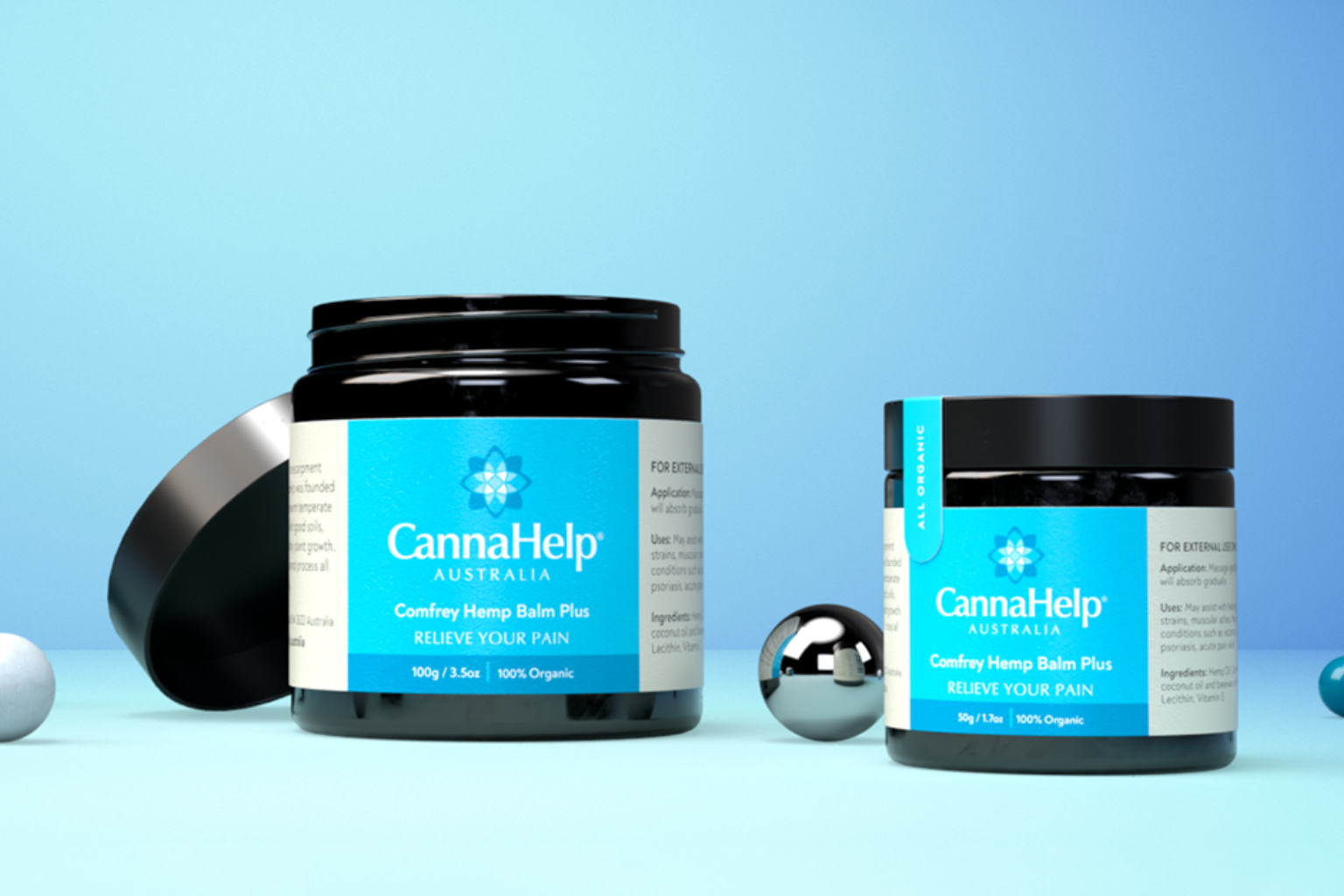
The most memorable packaging brings several qualities together in harmony. Use this as a quick checklist for your own brand:
- Recognition: Customers instantly connect the package with your brand
- Clarity: Essential information is easy to find and understand
- Personality: The design feels distinctive, never generic
- Functionality: It works beautifully in real, everyday use
- Consistency: It speaks the same language as your wider identity
- Responsibility: Material choices reflect your values
- Experience: Opening and using the product feels intentional and considered
When these elements align, packaging stops being a container and becomes a genuine brand touchpoint one that keeps working long after the customer has taken the product home.
The Rooland Approach to Meaningful Design
Our philosophy reaches beyond making something that simply looks good. We connect strategy, creative exploration, sustainability, and customer experience into one deliberate process — because that’s what creates brands that are recognised, remembered, and built to last.
That thinking is led by our founder, Suzanne Haddon, who brings more than 25 years of award-winning experience to every project, including work for global names like Nike, Starbucks, and Nordstrom. Under her direction, our tight-knit Wollongong studio treats each brief as its own creative puzzle rather than forcing every product into the same tired formula.
This approach is especially valuable if you’ve outgrown generic packaging or you’re preparing to launch something new. Whether you’re a small or growing consumer goods business, we build scalable, customisable design systems that flex as your range expands and your ambitions grow cohesive from your first SKU to your fiftieth.
The takeaway: Great packaging isn’t about chasing trends. It’s about creating something