From Brand Research to Final Design: Understanding Graphic Logo Design Sydney
A business can offer an excellent product or service, but if its visual identity fails to communicate what makes it different, potential customers may overlook it. A logo is often the first visual interaction people have with a business. It appears on websites, packaging, social media, promotional materials and even everyday customer communications. Creating one that genuinely represents a business requires more than choosing attractive colours and combining a few shapes.
This is where Graphic Logo Design Sydney becomes an important part of building a recognisable business identity. At Rooland, logo creation is approached through a combination of research, creative exploration and strategic thinking. The objective is to understand the business first and then translate its personality, values and purpose into a visual identity that connects with its intended audience.
Why Does Logo Design Begin with Brand Research?
Before exploring colours, typography or visual concepts, designers need to understand the business behind the logo. Without this foundation, even an attractive design can communicate the wrong message.
Brand research helps identify what makes a company different and how it should present itself in the marketplace. It also provides direction for the creative decisions that follow.
At Rooland, this discovery process considers several important factors:
- Business objectives: Understanding the company’s vision, values, services and long-term direction.
- Target audience: Identifying the customers the business wants to attract and the visual language they can relate to.
- Competitor research: Examining existing market identities to identify opportunities for differentiation.
- Brand personality: Determining whether the business should appear sophisticated, approachable, energetic, professional or unconventional.
- Market positioning: Establishing how the company wants customers to perceive its products or services.
These insights help prevent design decisions from becoming purely subjective. Instead of asking whether a logo looks attractive, the more important question becomes whether it communicates the right message.
From Research and Moodboards to Creative Concepts
Once the research is complete, the next stage involves translating information into visual possibilities. Moodboards are particularly useful during this phase. They bring together colour references, typography, imagery, textures and other creative elements that help establish a visual direction. They also give clients an opportunity to understand how their brand might look and feel before the final design takes shape.
At Rooland, the creative process includes ideation and sketching, allowing designers to explore different approaches rather than settling on the first available idea. For example, a wellness company may benefit from softer colours, organic shapes and approachable typography, while a technology business might require a cleaner visual language with structured forms and confident lettering.
The objective is not to follow a particular design trend. It is to find a creative direction that reflects the company’s character and makes sense to its audience.
How Typography, Colours and Symbols Influence the Final Logo
A successful logo is made up of individual elements that work together. Each component contributes to how customers interpret a brand.
1.Colour Selection
Colours influence visual perception and can help communicate brand personality. Blue may suggest reliability and professionalism, while green is frequently associated with nature, growth and sustainability. However, the right selection depends on the business, its audience and its market positioning.
2.Typography
Font selection affects how a brand communicates visually. Serif fonts can convey tradition and sophistication, while sans-serif typography often creates a contemporary and straightforward appearance. The lettering must also remain readable across different sizes and applications.
3.Symbols and Graphic Elements
Symbols can communicate ideas without relying on lengthy explanations. A carefully developed icon may reference a company’s industry, product, philosophy or distinctive offering. The strongest concepts are relevant without becoming unnecessarily complicated.
When these elements are developed together, they create a visual identity rather than an isolated graphic.
Testing, Refinement and Final Design
A logo that looks impressive on a computer screen may not necessarily work everywhere. It needs to remain effective when reduced for a social media profile, printed on stationery, displayed on packaging or incorporated into a website.
This makes testing and prototyping an essential part of the Graphic Logo Design Sydney process.
During this stage, designers can assess:
- Whether the logo remains clear at different sizes.
- How effectively it works in colour and black and white.
- Whether the typography remains readable.
- How the design appears across digital and printed materials.
- Whether the overall identity maintains consistency across applications.
Feedback and refinement help address any weaknesses before the final artwork is approved.
At Rooland, the process continues through careful refinement and perfecting, followed by the handover of brand assets. This ensures the client receives more than an attractive visual concept; they receive design resources that can support their ongoing branding requirements.
How Rooland Translates Brand Ideas into Real Design Projects
Rooland’s portfolio demonstrates how different businesses require different creative solutions. One example is PhycoHealth, a seaweed science company offering food, supplements and skincare products. Its branding project required a visual system capable of communicating the company’s scientific background, product benefits and connection with the ocean.
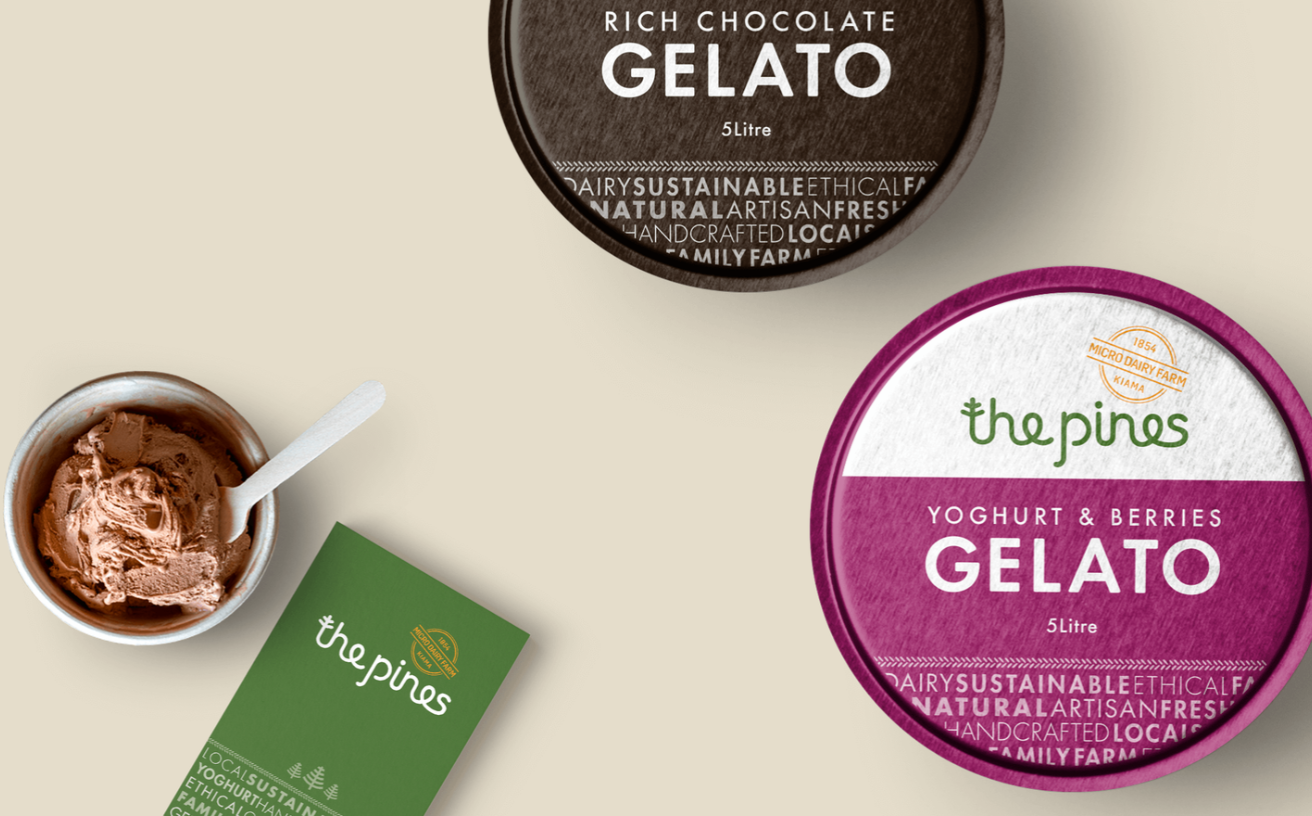
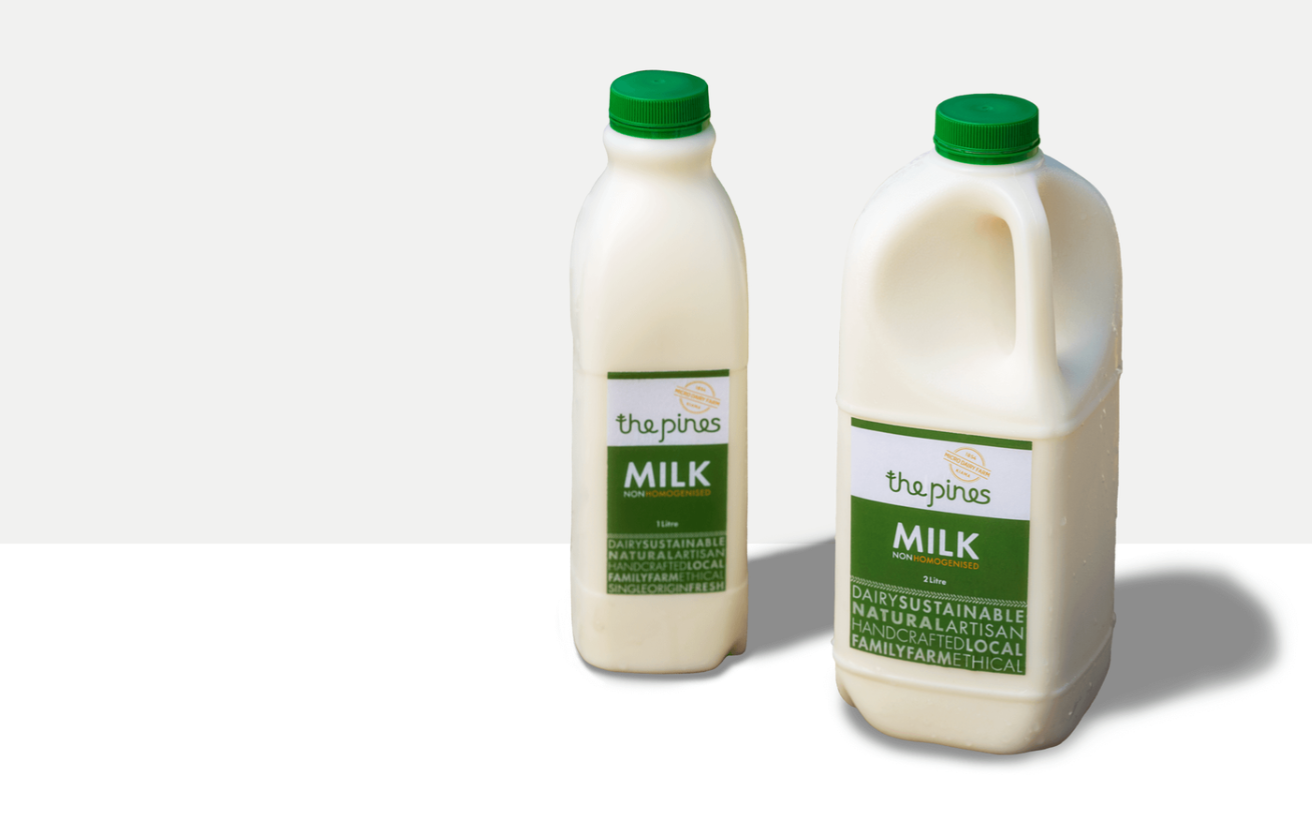
Rooland developed an identity using ocean-inspired colours, custom seaweed illustrations, handmade watercolour textures and complementary typography. These elements helped create a cohesive design language that could extend across different products and marketing materials. Another example is The Pines, a family-operated dairy farm in Kiama. Its branding and packaging incorporated block colours, clean lines and illustrative typography inspired by the local environment.
These projects demonstrate why a standardised design approach rarely works for every business. Each company has its own story, audience and commercial requirements.
For businesses exploring Graphic Logo Design Sydney, these examples highlight the importance of connecting creative decisions with the actual identity of the organisation.
Why Businesses Need More Than a Standalone Logo
A logo is an important starting point, but a complete brand identity requires consistency across multiple customer touchpoints.
As a business grows, its visual identity needs to work across:
- Business cards and corporate stationery.
- Websites and digital platforms.
- Product packaging and labels.
- Social media graphics and advertising.
- Brochures, presentations and promotional materials.
Rooland’s broader brand identity services bring these elements together through purposeful design. Its approach combines creative thinking with strategic planning to help businesses develop identities that remain consistent across different platforms.
Frequently Asked Questions About Graphic Logo Design Sydney
1. How do I choose the right logo design for my business?
Consider your target audience, brand values, industry and the message you want your logo to communicate.
2. How much does professional logo design cost in Sydney?
Costs depend on design complexity, research, revisions and additional branding requirements.
3. What is the difference between logo design and brand identity?
Logo design focuses on your brand symbol, while brand identity includes colours, typography, imagery and other visual elements.
4. How long does it take to create a professional business logo?
The timeline depends on research, concept development, feedback and revisions involved in the project.
5. Why should I hire a professional logo designer?
A professional designer creates a customised identity that reflects your business, connects with your audience and differentiates you from competitors.
Turn Your Brand Vision into a Thoughtful Visual Identity with Rooland
A meaningful brand identity is built through understanding, exploration and attention to detail. From the initial research to the final artwork, every stage contributes to how a business presents itself and connects with its audience.
Rooland combines strategic thinking with creative expertise to develop bespoke branding solutions for businesses looking to establish or strengthen their market presence. If you are planning a new business identity or considering a brand refresh, get in touch with Rooland to discuss your project and explore how thoughtful design can bring your brand vision to life.